


Why are we encouraged to sing psalms, hymns, and spiritual songs to ourselves and with others? In this column, Cultivating Songs of Faith, we explore that question by looking at one particular hymn each season, offering the story of its creation from the life of its author or composer. What you see here is a reflection rather than a formal academic history. I hope to help you to taste, see, and rediscover what is good in great hymns, and also occasionally enter into the conversation they have with ancient psalms and modern spiritual songs.

But blessed are those who trust in the LORD and have made the LORD their hope and confidence. They are like trees planted along a riverbank, with roots that reach deep into the water. — Jeremiah 17.7-8 (NLT)
I stood staring up at the great tree, dwarfed by its enormous trunk and branches that reached above me like the arches of a gothic cathedral. Its silent strength spoke to me of endurance. I knew this live oak had weathered at least one hurricane. It had not only survived, but thrived, resolute through the changing seasons.
I wondered about the part of this tree that was invisible to me—the roots. What told the roots to reach deep into the soil, drawing water from a source that I could not see? What voice directed the roots to release their stores of sugar in the spring, sending the fresh sap upwards to rejuvenate branches and feed new buds?
Jeremiah tells us that when we trust in God we are like a strong tree. I think I will always marvel at the mysteries of this comparison. I wonder especially how it is possible to come alive after a season of dormancy as a tree does in the spring. The renewal of trust and hope after a dark and seemingly fruitless season is a grace that comes from having roots that are fed by the love of God.
Like a tree, we can stretch our soul’s roots deep, looking for the water that will replenish our trust. Our roots can reach for reminders of His goodness and love toward us, even when we don’t feel these in our current circumstances.
I am taking a departure this time from other essays in this collection; instead of telling you the story of the life of a hymn writer, this time I’ve chosen a hymn whose author was named “anonymous” in its first printing. Its text was eventually attributed to a Methodist minister from Georgia named Alexander Means, but we don’t know much about him. This is a hymn whose origin was in the camp meetings of the Second Great Awakening in the American South, and found in “shape note” hymnals[1] of the early 1800s. It was sung to a tune that hails probably from a century earlier. To me, it speaks of faith that weathers the storms of life because it tells of our source of life—God’s unchanging love.
What wondrous love is this, O my soul, O my soul!
What wondrous love is this, O my soul!
The tune of this hymn has a haunting quality that tugs at my heart. The harmonies in the minor key create a feeling of yearning. No one knows exactly who wrote this melody, but its history stretches back to the early 1700s in England. I think it perfectly conveys the message found in the lyrics—that of the soul’s journey towards God.
I like to think that this hymn, What Wondrous Love Is This, was born of the American men and women who were drawn to the outdoor meetings in the early 1800s, longing for a closer walk with God. Here they joined a gathering of people from all races and classes. Perhaps this hymn and others found in the early shape-note hymn book were inspired by the songs of enslaved peoples, songs that reminded them of their eternal home and gave them strength to face the difficulties right in front of them. I can hear a sound reminiscent of an old spiritual in this hymn.[2]
Many of our favorite hymns are addressed directly to God, songs focused on praise and adoration. But the lyrics of this hymn are a conversation with one’s own soul. This kind of counseling of one’s own soul is reflected in several Psalms, such as this passage from Psalm 62:
For God alone, O my soul, wait in silence,
for my hope is from him.
He only is my rock and my salvation,
my fortress; I shall not be shaken.
(Psalms 62.5-6 ESV)
There is a wonderful turning point in the lyrics of What Wondrous Love Is This, a moment in the second verse where the author finds himself “sinking down” so low that he feels he is “beneath God’s righteous frown.” This could be a season that feels full of darkness and despair, like the season of winter for the live oak tree. But it is precisely in this season that the love of God is proclaimed, shining like a beacon in the dark:
Christ laid aside his crown for my soul, for my soul,
Christ laid aside his crown for my soul.
The truth of Jesus’ sacrificial gift is the water that feeds the roots of the soul, becoming a source of renewal and life. It is the truth of God’s love that results in joyful worship, trumpeted in the third verse:
To God and to the Lamb, I will sing, I will sing,
to God and to the Lamb, I will sing.
This leads to the fourth and final verse of the hymn declaring a renewed trust in the future, a certainty of life beyond all the difficulties of this world, beyond even death itself:
And when from death I’m free, I’ll sing and joyful be,
and through eternity, I’ll sing on, I’ll sing on,
and through eternity I’ll sing on.
The journey of the life of faith that is told in this hymn is a tremendous encouragement to me. Sometimes it is in the place of darkness and loss that I can hear the voice of God most clearly. It is in despair that I notice His love speaking in a way that I can hear and hold on to. His love is truly a wonder, and is the source of life that our roots are searching for. This gift leads us to renewed trust over and over, and will be the story we will sing about forever.
What Wondrous Love Is This?
American Folk Hymn, 19th cent.
What wondrous love is this, O my soul, O my soul!
What wondrous love is this, O my soul!
What wondrous love is this that caused the Lord of bliss
to bear the dreadful curse for my soul, for my soul,
to bear the dreadful curse for my soul?
When I was sinking down, sinking down, sinking down,
when I was sinking down, sinking down;
when I was sinking down beneath God’s righteous frown,
Christ laid aside his crown for my soul, for my soul,
Christ laid aside his crown for my soul.
To God and to the Lamb, I will sing, I will sing,
to God and to the Lamb, I will sing;
to God and to the Lamb who is the great I AM –
while millions join the theme, I will sing, I will sing;
while millions join the theme, I will sing.
And when from death I’m free, I’ll sing on, I’ll sing on,
and when from death I’m free, I’ll sing on;
and when from death I’m free, I’ll sing and joyful be,
and through eternity, I’ll sing on, I’ll sing on,
and through eternity I’ll sing on.

[1] Shape notes were an ingenious musical notation system designed to facilitate singing by people who were not trained to read music. Shapes were added to the note heads to designate which pitch of the scale the reader was to sing. The shape-note hymnal, The Southern Harmony, published in 1835, was the first hymnal where the lyrics of What Wondrous Love Is This first appeared with its tune.
[2] I love many spirituals but one that is filled with the soul’s longing for home in God is Deep River. You can listen to a wonderful recording here: Deep River
[3] One of my favorite recordings of this hymn is sung by Fernando Ortega: What Wondrous Love Is This. An instrumental recording that wondrously captures the feel of this tune was made by a friend of mine: Joshua Messick Hammered Dulcimer.
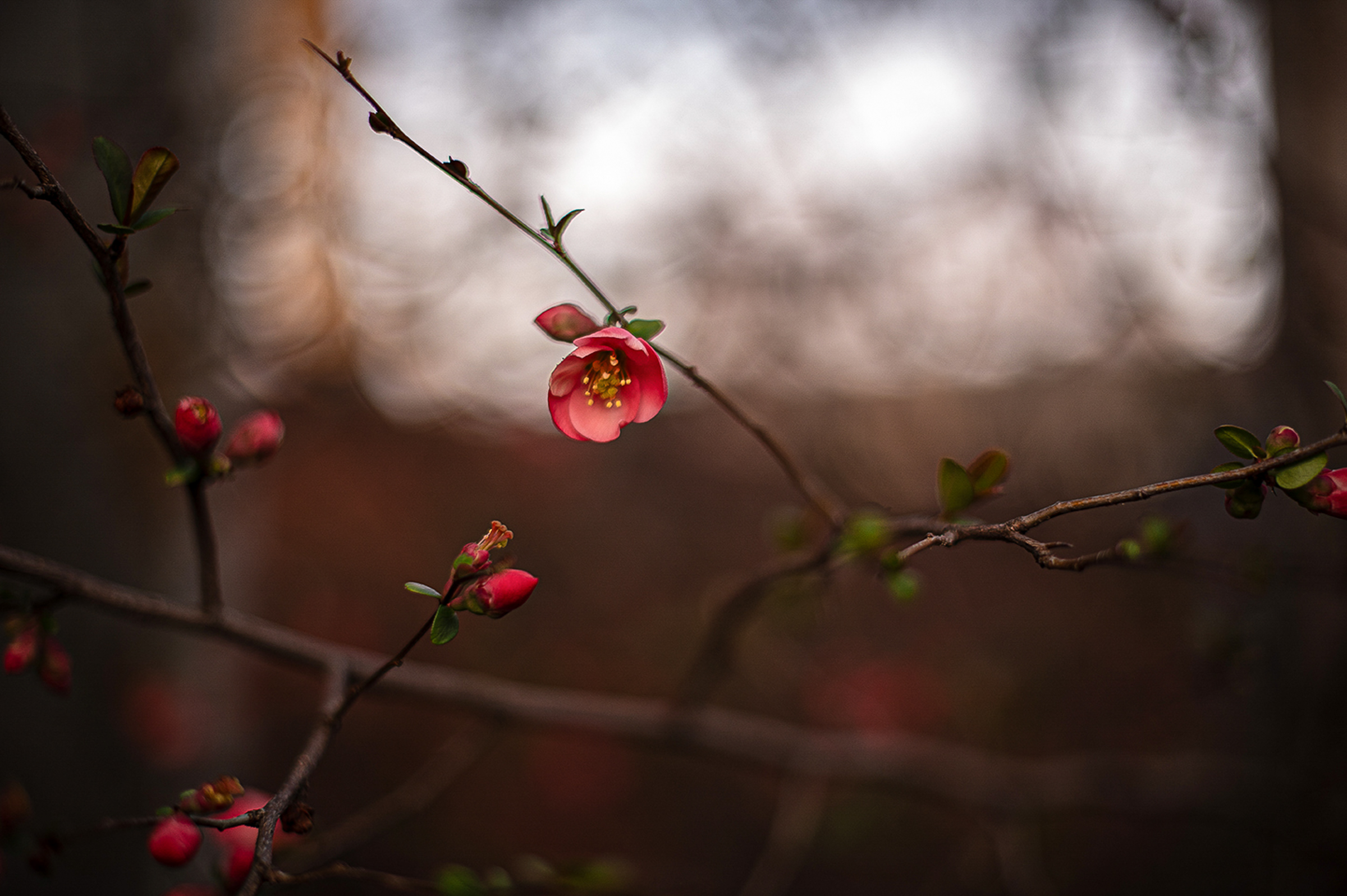
The featured image is courtesy of Amelia Freidline and is used with her kind permission for Cultivating.

Terri Moon is a musician and a lover of Jesus. She delights in playing the music of Bach, growing English roses, baking up a good batch of scones, and all good, true, and beautiful things that point to Him. She has found that the most fulfilling adventures come through collaborating with others, and to that end she and her husband Steve (also a member of The Maker’s Project) serve gladly in their church and also on the leadership team of the Anselm Society. Together they raised four children and are now proud grandparents. Hosting friends in their Colorado home is one of their favorite joint adventures.
Terri holds a master’s degree in violin performance, and has collaborated in many concerts and taught students of all ages for 40 years. Her lifelong passion is the intersection of music, worship, and spiritual formation, and she longs to bring to life the beauty of the Church’s heritage in the arts. Terri currently serves as the Music Director of Holy Trinity Anglican Church in Colorado Springs.

Add a comment
0 Comments