


I suppose it was risky attending a class called the “Ecological Impact of Helene” on the one-year anniversary of the historic floods that changed the face of western North Carolina … and the landscape of our hearts. I was already aware of the impact to our home and to our town, and I could only imagine in my darkest nightmare the impact to the families in the direct path of rising rivers and landslides.
Since September 27, 2024, I’ve memorized the stats that were recorded[1]:
- The highest three-day rainfall total was 30.78 inches (in Busick, twenty-three miles south of my town).
- The French Broad River broke the previous record (1901) at Asheville by 1.7 feet.
- Trees toppled like sticks across 822,000 acres of forestland.
- More than 2,000 landslides demolished mountain roads and interstates, homes and businesses, and three slides took the lives of eleven family members in one area.
- Over half of the deaths from Hurricane Helene occurred in North Carolina.
Learning more about the ecological impact (beyond the debris-littered landscape) was now to be part of my education as a Blue Ridge naturalist. I sat in the classroom wondering how prepared I was for additional bullet points. How would any of us, already sitting more quietly than usual, separate the science from the heartache—a pain that had become part of our makeup, had maybe even caused epigenetic changes? Would we pass on our experience to the next generation? Would children yet to be born flinch at the drumming of rain on metal rooftops?
What I didn’t expect to receive from the class was a lesson in trust—trust in the God who had parted the waters for many while carrying others out of the world.
Something I’ve noticed over and over in both nature education and books by secular experts is the tendency to use “choice” language. By that I mean verbiage that assigns intentionality to flora and fauna, as if plants and animals have the ability to make conscious decisions. I know that’s not the intent of these scientists and writers; yet in their words, I hear the Creator shout.
Here are only a few I’ve noted in other naturalist courses:
- The leaves of the American holly that are closest to the ground are pointed, so that deer won’t eat them.
- Plants respond in different situations. The cones of the table mountain pine generally need the heat of a forest fire to open, and if no pollinators visit the flower of a mountain laurel, the anthers release as the petals die back so it can self-pollinate.
- The hooked stem (hypocotyl) of a seedling pushes through the soil first to protect the seed leaves (cotyledons).[2]
Exactly how God formed the universe and how the earth has continued to change and adapt is not as important to me as the knowledge that it was created in love and that we can see evidence of that fact through the way that intention proclaims and resurrection whispers as we observe nature—even in the aftermath of catastrophe.
Rather than hearing a message of devastation (though there was much, of course), I heard one beautiful explanation after the next of how, as the instructor described it, “nature heals itself.” What I began to jot in my notebook was a list of the positive effects of the flood. That might have seemed odd except for the fact that thousands of stories of grace and goodness have been lived out and told by victims of the flood, by rescuers, and by volunteers who have come to help with recovery.
With each item I noted, I caught a glimmer of the promise of the new earth:
With thousands of downed trees from the high winds will come a boost in the populations of black bears, swifts, and pileated woodpeckers that will now have access to the insects infesting the rotting trunks.
Meadows will grow in the now sunnier spaces, creating a more diverse habitat.
The creation of more ponds will increase amphibian populations. (I witnessed this last summer when our retention pond, deepened by excessive runoff from the mountainside, filled with bullfrogs, salamanders, and turtles.)
Although this ecology expert didn’t know it (or acknowledge it, at least), his class was a testimony to our Creator God who died, was buried, and rose again. Jesus’ story of resurrection is the thread running throughout the creation story and throughout every creature’s story, most especially ours.
If we pay attention to what He has made, God’s invisible qualities can be clearly seen and understood (see Romans 1:20). And whether we look outside and weep over the wobbly legs of the newborn fawn or the felled ancient oak, we have no excuse for not believing in, or trusting, Him.
It isn’t the raging river that separates us from God; it is our sin. As I learn from, am sustained by, and enjoy this beautiful world, I often recall a quote from one of my favorite nature writers. While I don’t know if she’s a person of faith, her words carry a deeper message than even she may realize when she describes how observing synchronous fireflies in the Great Smoky Mountains National Park changed the way she viewed the meadows and creeks back home: “Every plot of land … is suddenly weighted with potential glory.”[2]
[1] These stats were drawn from “The National Hurricane Center Tropical Cyclone Report—Hurricane Helene,” authored by Andrew B. Hagen, John P. Cangialosi, Marc Chenard, Laura Alaka, and Sandy Delgado.
[2] Leigh Ann Henion, Night Magic, Adventures Among Glowworms, Moon Gardens, and Other Marvels of the Dark (Algonquin Books of Chapel Hill).
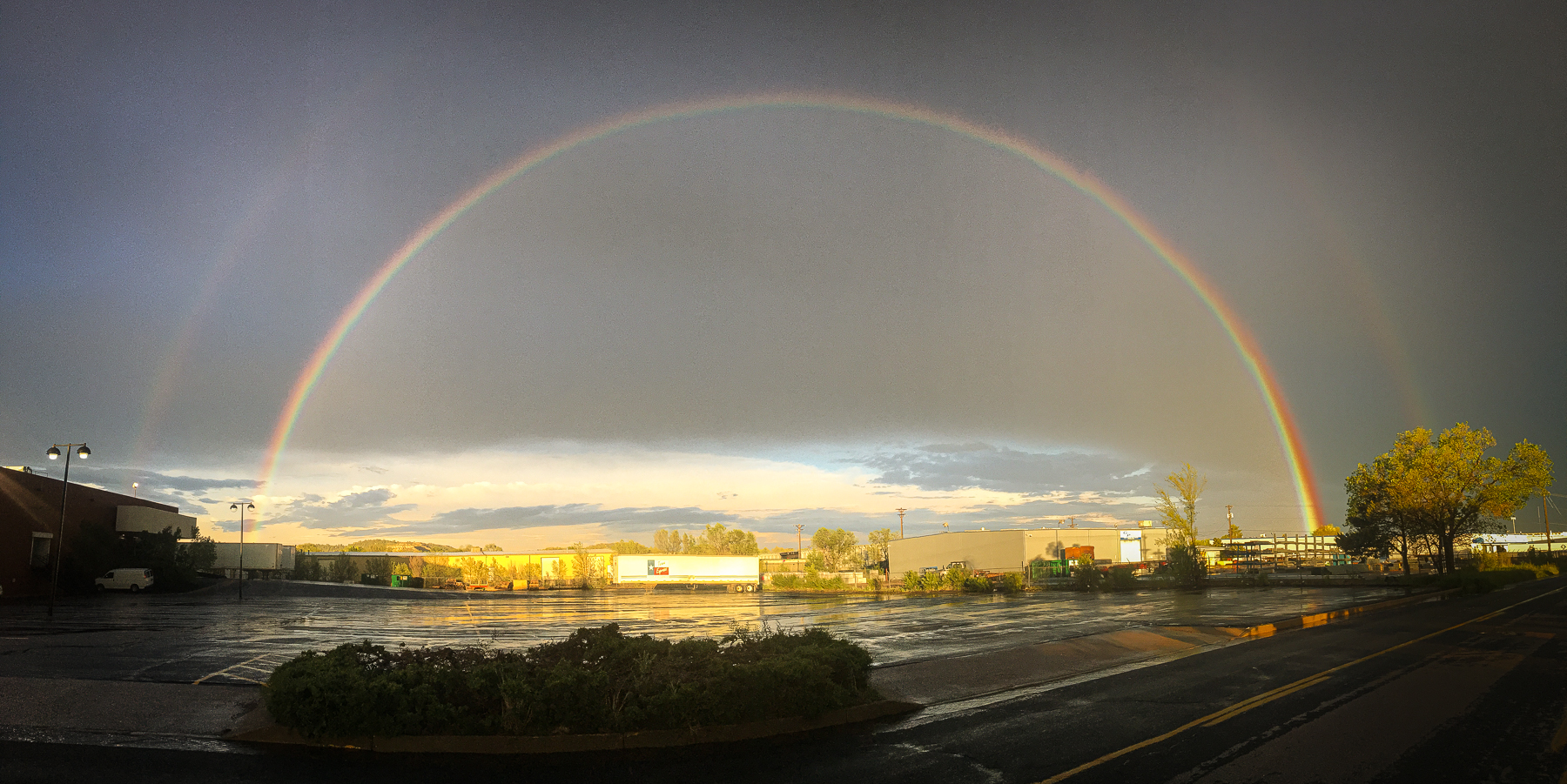
The featured image, “You Know The Way,” is courtesy of Steve Moon and is used with his kind permission for Cultivating.
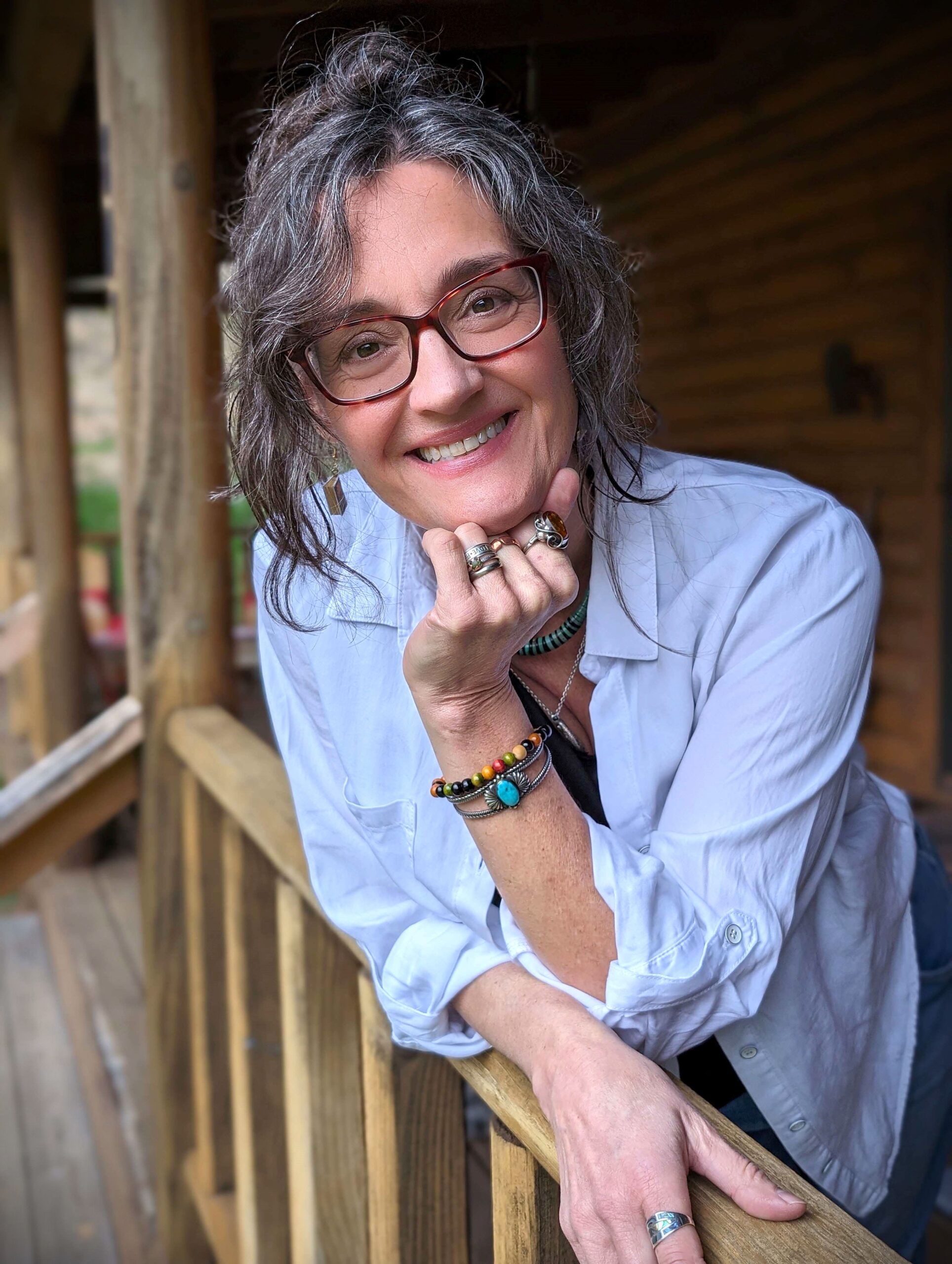
Amanda Cleary Eastep is the senior developmental editor at Moody Publishers, Chicago, and the author of the Tree Street Kids series for middle grade readers 8-12. She also enjoys writing young adult fiction for Brio magazine (Focus on the Family). Amanda writes and edits in a cabin in the mountains of western North Carolina, but she lived most of her life in the suburbs of Chicago, the home of the Tree Street Kids. The joy of exploring and stewarding nature are central to her stories and her daily life. To nurture that, she is currently taking courses in the ecosystem of Southern Appalachia and loves the opportunity to see its native plants and critters up close. Amanda and her husband, Dan, have eight grown children, lots of grandchildren, and a border collie named Annie who wakes Amanda up early to write.

Add a comment
0 Comments