


The Cultivating Artist is a column that seeks to encourage and empower fellow makers. The work of an artist—that reach toward something beautiful—can feel daunting, especially at the beginning. Negative thoughts threaten to steal away sparkling possibilities. I’ve learned that by dwelling on thoughts that are lovely and true, I can fight discouragement and keep moving forward one brush stroke at a time. I want to help you fight and persevere in your work too. Here, I’ll be coming alongside you with encouragement and stories from my own life, reminding you that you’re not alone.

After admiring a painting in an antique store, I came home feeling inspired. Determined to create something similar, I got to work immediately, moving quickly from the dark underpainting to the many layers of green paint that kept me busy for hours. I dabbed small strokes onto the canvas attempting to give it that Monet look I’d been reaching toward in recent months. The top third of the picture was going to be a pale, pearly gray sky that hinted at a coming storm. It was all working beautifully so I continued late into the night, not wanting to stop.
The next day I picked up where I’d left off. This would be the most impressionistic painting I’d created yet. I smiled as I began adding the dark trees along the crest of the hill, no hard edges, each element looking indistinct as though seen through sunlight and fog.
Some days later, I stood before the finished painting and showed it to my husband and daughters. They liked it and agreed it was different than anything I’d created before.
Then, one of them added, “Are those sheep?”
“Sheep?” I repeated, stepping back from the painting. “Where?”
I can’t remember exactly how the conversation went after that, but I can guess. Probably whoever mentioned the sheep looked worried. Then, after being asked to point them out, everyone reaffirmed that it was a nice painting and tiptoed away, leaving me there staring at the accidental sheep I could not now un-see.
I stood there a long time.
The pearly sky which peeked out between each foggy tree had created four negative spaces that looked round and hazy. And so, believing I was painting a picture of five dark trees on a hillside, I had actually painted four large, fluffy sheep. They were indistinct, definitely impressionistic. But they were there, and I was not pleased to see them.
The room suddenly felt too warm as I considered the hours I’d spent confidently painting the accidental sheep. I could have been doing anything with that time. I could have been cleaning my messy house or exercising. I could have been watching movies, reading books, spending time with friends, but instead I’d created this strange, ambiguous painting.
It wasn’t a bad painting exactly. The technique really was pretty, and if I’d been intending to paint four very large sheep on a foggy hillside, I might have been relatively happy with it. But I have a policy: I never try to sell anything I wouldn’t want to buy. And I definitely didn’t want to buy this painting. I wanted to throw it!
I was tempted to label it “ruined” and even more tempted to label my time working on it “a waste.” Maybe I did label it that way at first. But I’ve learned something very important from creating lots of artwork over lots of years: the words I speak to myself make a big difference in what comes next, and the way I respond to those words makes an even bigger difference. So I
stared at the accidental sheep painting and responded to the negative thoughts that were flooding my mind.
“It’s not ruined,” I said, “It’s just not finished yet.” And regarding the time I’d spent painting it, I said, “I didn’t waste that time—I used it. Those hours were necessary to get me to this exact point.”
I moved a chair across the room, sat in it, and closed my eyes. I prayed that God would help me to see some beautiful path through this painting, some way to transform it into a picture I would love. Then I opened my eyes and looked. I let my imagination travel over the scene, rearranging it, saving everything that was currently beautiful—all those lovely green layers and the foggy trees. Slowly, ideas came and I began to work.
First, I painted out the accidental sheep. They became more of the green background. Then I extended the trees down into the lower half of the canvas, creating a forest—still impressionistic, but now it told a story. A girl in a green dress looked lovingly up into the branches of a tree, patiently waiting for her cat to come back down.
“Love is Patient,” I said to myself, and that’s what I titled it. To this day, it’s one of my favorite paintings.
Sometimes, in life and in art, it’s hard to forgive myself for the blunders I make along the way. When I dwell on those, I mistakenly label the journey “ruined” or the time “wasted,” and I experience a kind of paralysis. At those times I’m failing to remember that God is not limited by my mistakes. He is the Master Artist and He can redeem every wrong turn. In His hands, nothing is wasted. Nothing is ruined.
He sees what I cannot. He sees what I am becoming, and what I will become.

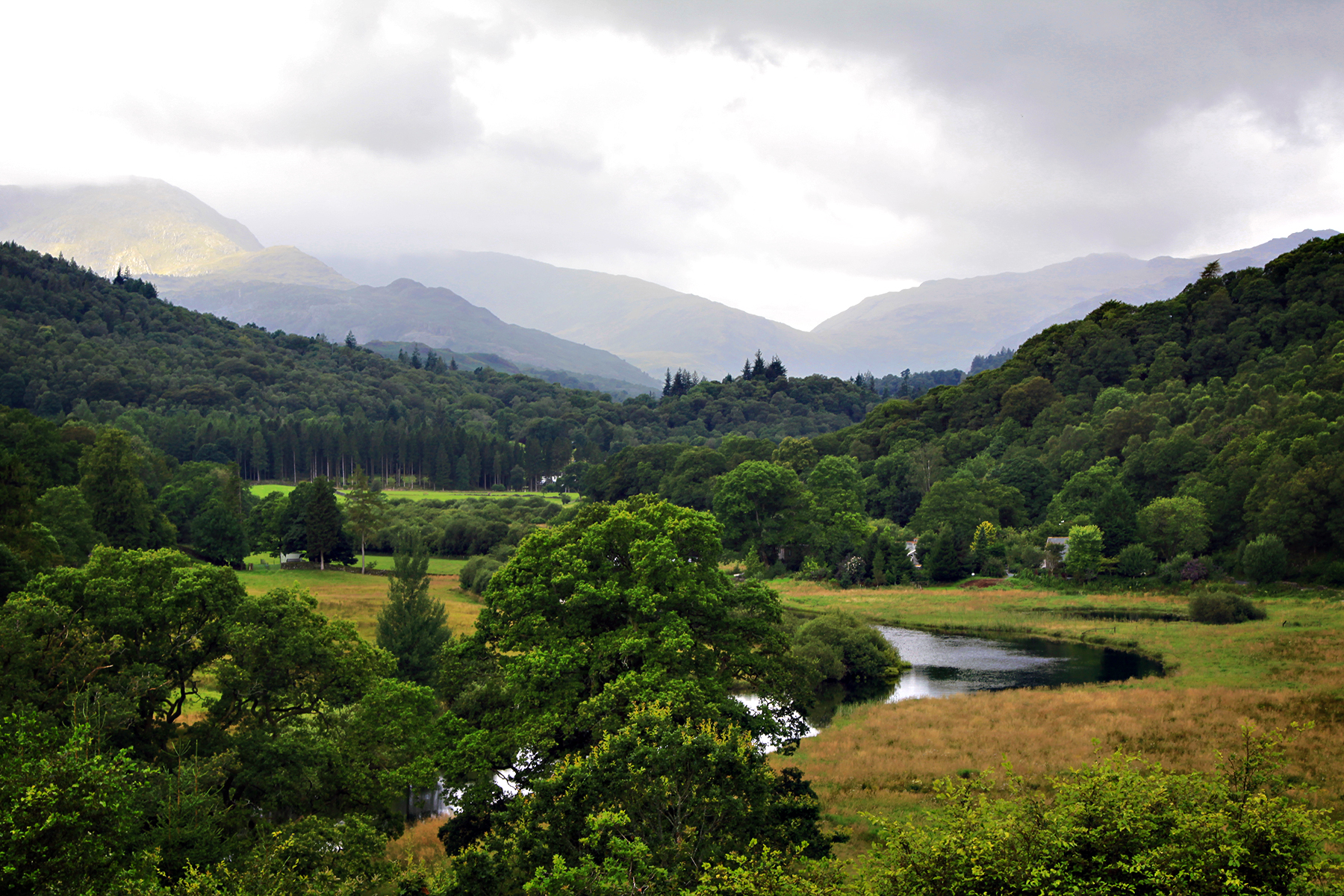
The featured image, “Lake District – View from Nanny Brow,” is courtesy of Lancia E. Smith and is used with her glad permission for Cultivating.
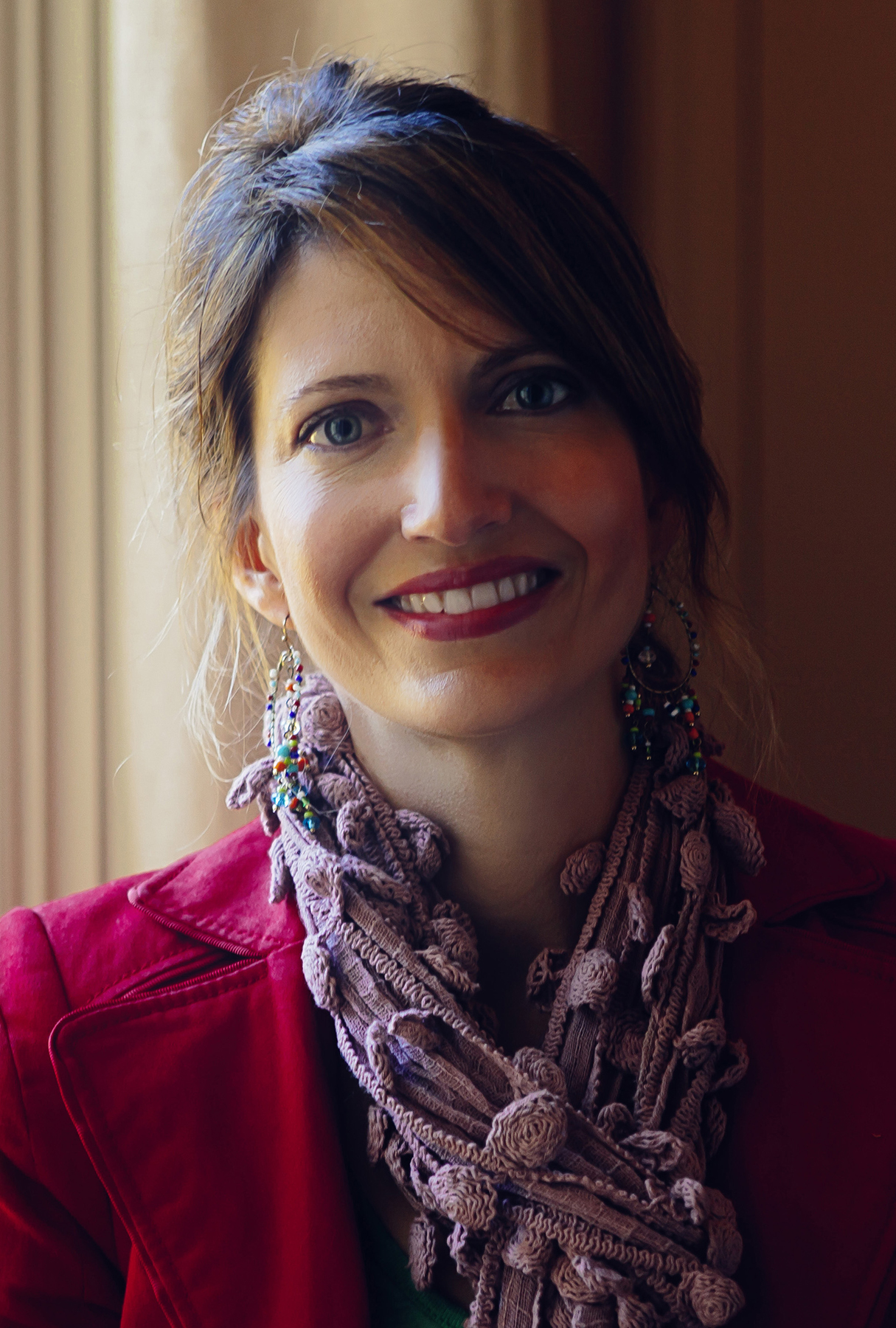
For Amy, it all starts with a story. As a child, fairytales and fantastic illustrations captivated her mind and sparked her imagination. All her art originates from the stories she writes. She sees her “story paintings” as windows that provide just enough to start the observer down the path but leave a little mystery to ignite their imagination.
Light shining out of the darkness is her favorite and most recurring theme. Amy, a columnist for Cultivating Magazine, believes that artwork that reflects goodness & truth can bring light into our lives and give us hope.
She enjoys a quiet life with her husband and two daughters, in a house full of treasured books and bright colors. A sleek, black cat and a nervous, brown rabbit keep her company each day while she paints.

Add a comment
0 Comments