


I strongly dislike the word “charity.” We give. We faithfully tithe, donate, and collect for the poor. But the word “charity” implies to me neediness, insufficiency, and “less than,” all invoking guilt if one did not contribute. It’s connected to rejected canned goods and clothing collected in dust-covered boxes or trash bags dropped off at food banks or thrift stores.
In the 1980s, during my high school years, pop stars and charity supergroups raised money for a range of global causes; most memorable were the starving children in Ethiopia. In addition to fund raises to combat hunger, there was also a push for AIDS awareness. Bono, Bruce Springsteen, Willie Nelson, Ringo Starr, and so many more made newspaper headlines for their efforts. All these collections and drives were called charity.
There was an understanding that Christians should give because of the cause but we often didn’t look at the colossal waste in the collection process and the regularly misdirected funds. Nor did we adequately study the full impact of our collected donations. Sometimes the donations fostered an entitlement culture which stymied growth and entrepreneurialism. We probably should have examined the root causes of hunger in some of these countries and equipped them to move out of poverty.
To truly call these fund-raising drives “charity” is a misnomer. The word was taken out of its original biblical context. Charity is the King James Bible translation of the Greek word agape, which in more modern translations is translated as love. Agape love is best articulated in 1 Corinthians 13. As we move in the love of Christ, we give to those in need, but we are called to a greater level of love beyond physically giving. That’s just one dimension. It’s sometimes easier to write our tithe or donation checks than to walk in patience, kindness, trust, hope and humble selflessness.
Scripture tells us that love conquers all. 1 Corinthians 13:7 states that love “bears all things, believes all things, hopes all things, endures all things” (ESV).
I admire my mother’s investment to teach English in Papua New Guinea in the late 1960s after college—two years away from family and community with letters being one’s only communication. My mother’s act of charity was to truly give of herself and make a tangible investment of time and teaching. One of her students later translated the Bible into his native language and shared the gospel with his tribe. My husband, Mark, and I passionately believe in supporting world missions and missionaries who are teaching and serving unreached people groups. We also believe and support local church-planting pastors who want to reach beyond the traditional church walls. This isn’t giving out of pity or because of a celebrated cause, but making eternal investment in the kingdom of God.
I have chosen to redefine and renew the secular understanding of charity with its word origin, true agape love. It’s a lifestyle. I’d be a hypocrite to say I am charitable through my donations in the community but at home I do not love. It starts in my own home—with my spouse and my whole family. Christ-centered charity is to love as he first loved us. I give of my patience and kindness, all with humility. I am not easily angered with my husband, but instead remove assumptions and judgmental comments from our conversation. I especially keep no record of wrongs. It is worked out in our church communities, how we love broken and prickly people, how we believe the best and not categorize, and how we serve. From there our love reaches into the community.
Together, we love as we are led by the Spirit to love—giving of funds, of time, of our very selves. This is not administering charity out of guilt, obligation, or even soulish compassion. Agape love is selfless. It is living a crucified life. It is giving, serving, and loving beyond myself to the degree we move as Christ moved.
My challenge to us all is to allow charity, agape love, to inspire us to truly give beyond money, or simply to a cause, but to allow ourselves to be stretched, to be transformational demonstrations of how we were first loved.

Editor’s note: The New International Version does not capitalize pronouns referring to God; these have been added by Cultivating editors.
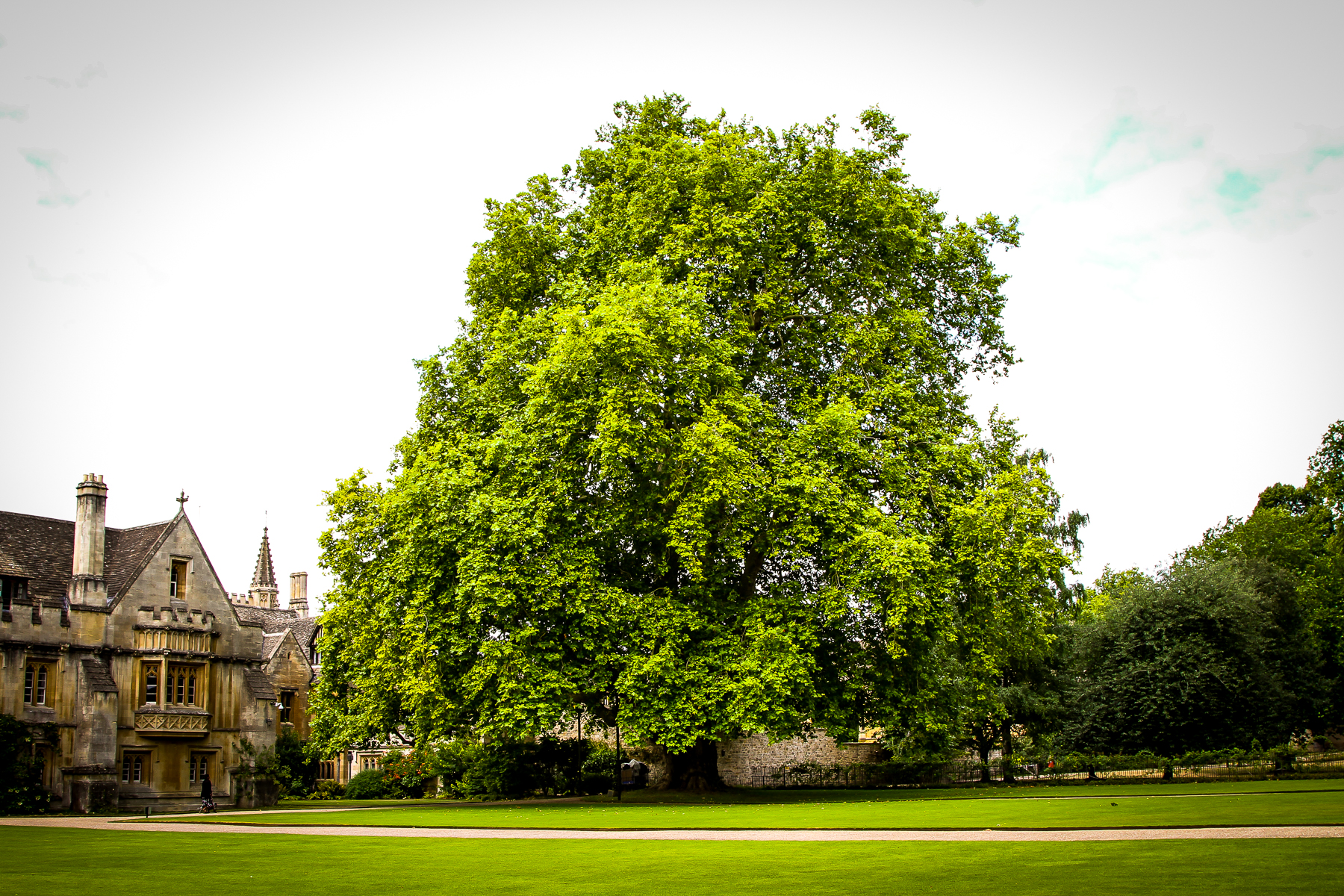
The featured image, “Magdalen Great Oak,” is courtesy of Lancia E. Smith and is used with her glad permission for Cultivating.
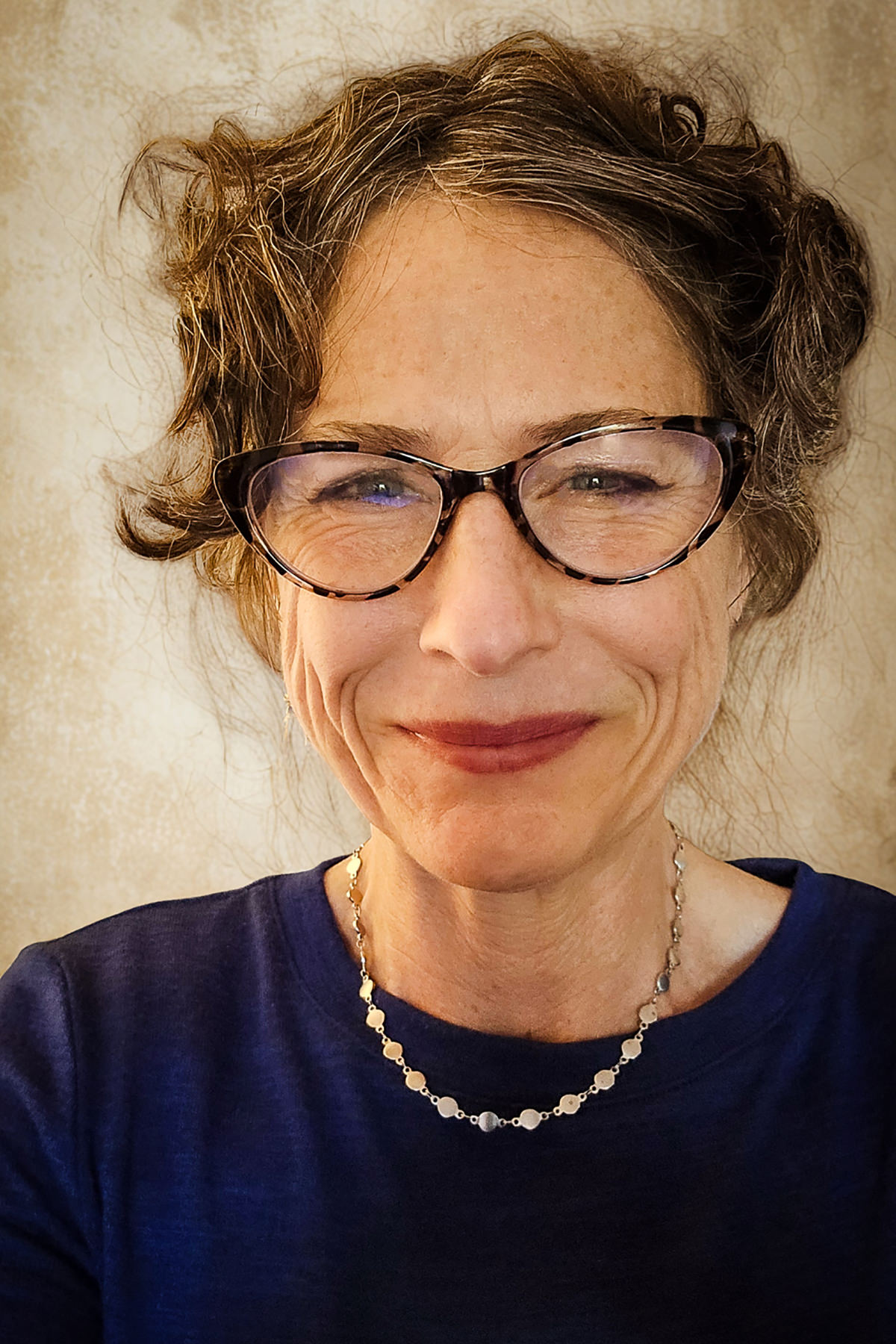
Mary has cherished life-long literary dreams coupled with a passion for ministry, all of which lead her to study English literature and later theology and counseling in seminary. She has been designing artisan jewelry for 15 years. After 14 years of ministry in San Diego she and her husband Mark Miller, along with their teenagers and cat, Lord Peter Wimsey relocated to Charlottesville, VA where they enjoy farm life, raising angus beef, 40+ chickens and a thriving garden. Mary enjoys off-the-wall humor, gardening, cooking, and curling up with anything penned by Dorothy Sayers, C.S. Lewis, Tolkien, or Jane Austen. She and her husband Mark serve in ministry with RiverStone Church.

Add a comment
0 Comments