


Cultivating a Maker’s Life is a column that explores creative living expressed in a whole life. Generous, creative living is not something that is confined to a studio or workspace. It is conceived in the garden, gestates on hiking trails, nurtured in cinnamon-scented ovens, and matures at family dinner conversations. Come with me while we explore all the stages of making and living.

“The LORD is my chosen portion and my cup;
you hold my lot.
The lines have fallen for me in pleasant places,
Indeed, I have a beautiful inheritance.”
– Psalm 16.5–6 ESV
There’s a little line on the x-ray,” the podiatrist said to the unhappy patient (me). “It basically means that you did have a stress fracture, but it’s mostly healed—maybe 70% healed. I don’t think you should run for at least three more weeks, and even then, only do it carefully. If it hurts, stop.”
These were not the words I wanted to hear.
Earlier in the spring, I occasionally noticed some weird tingling on the top of my feet, but there wasn’t pain, so I didn’t concern myself too much about it. One Monday in May, I stabbed my right foot with a spading fork while preparing my garden. The fork’s tine punctured clean through my heavy rubber boot and left me bleeding and crying. The following week, I babied that right foot pretty protectively, which I think caused extra stress on my left foot.
By that Saturday, both feet felt pretty OK, so I decided to try going out for a run. My kids and I were registered for the Memorial Day 5K, and I wanted to see if I would be able to participate or not.
“Just two miles, nice and easy,” I told myself.
Three-quarters of a mile down the trail, my left foot was getting mad. One-and-a-half miles in, there was intense throbbing.
I think my motto in life has always been, “The faster you do hard things, the faster they’re over.” I sprinted the last half mile, which is what we call a bad decision.
By Sunday afternoon, I couldn’t put any weight on my foot at all, even heavily supporting myself with chairs or countertops. I crawled to the bathroom and back to the sofa. Not only did I fail to participate in the 5K, I also didn’t even watch from the sidelines as my daughter and son ran. Instead, I went for an x-ray, followed by multiple doctor’s appointments. The fracture didn’t show up on an x-ray for several weeks, by which time I thought I should be well on the road to my normal summer running routine. When the conversation with the podiatrist took place, I felt like someone had stabbed me in the foot. Again.
My plans for the summer collapsed on themselves like an underbaked soufflé. It would be months before I could walk a mile, much less train for a personal best time in a 10K, which was my 2025 summer goal. Gardening hurt. Kicking my pottery wheel hurt. Standing or bearing weight for any length of time caused my foot to ache and throb.
It’s amazing that a tiny little line could cause so much disruption and pain.

Earlier in the year, I attended the Square Halo Conference with the primary goal of meeting Diana Glyer. It was absolutely fabulous. I am particularly bad at allotting time for the Lord to restore my soul. As I write those words, I find myself repenting of that. Whilst at the conference, I picked up a tiny book by Matthew Dickerson called Birds in the Sky, Fish in the Sea, after hearing him lecture most eloquently. It is a love letter to the created world—but more than that, it became a launching pad for my science class the upcoming school year. Out of that conference, I determined that we would study Ohio natural history to learn to love the place where we live and the One who made it. It was the first time I saw science as art, and that prospect thrilled me.
As a prerequisite to natural history, I taught my kids a brief summer class on nature journaling. It was low-key, with the only requirements being a sketchbook and some sort of mark-making utensil. The two goals of the class were simple—observation and information. I regularly parroted my fine art professor, “The more you look, the more you’ll see.”
“Be careful with your lines. Think about how you use them. Don’t just arbitrarily scribble on your page; make sure there’s meaning.”
These were a few of the (hopefully) encouraging reminders I gave my little class.
Over the spring and summer, I sketched alongside and in demonstration to the class, I chose pen and ink as my weapon of choice. I filled a sketchbook with leaves, trees, birds, mammals, fungi, and wonder. Line upon line, precept upon precept.
One of my favorite sketches is of two dew-drenched daffodils. It is almost minimalist in its spareness. But each line has intention. It took forty-five years for me to draw with that amount of discipline. Which is fine. I got there eventually.

Cross-hatching, scribbling, stippling—there aren’t nearly as many options for providing shading and texture with an ink pen as there are with a smudgier, erasable medium like graphite or charcoal. I think that’s one of the things I like about it. It forces me to distill, to pay attention—to think about how I will layer in the elements of my drawing before I begin. How will I draw this line or that shape, and what are the implications? Lines are powerful things.
 I was talking with a vegan friend the other day, and he asked if we had considered raising fish to eat in my small koi pond. I found this interesting and wanted to ask him if he ate fish, but we didn’t have time for that conversation. I know his diet is a conviction rather than a medical constraint, and those often seem like curious boundaries. Amish communities, for example, fascinate me with the things that are allowed or forbidden. I know of one Amish family that uses only hand tools in the garden but has central air conditioning in their barn and workshop. I wonder how they drew that line.
I love that the lines I live within are not drawn. They are fallen—and in pleasant places! And I am so, so grateful for the fallen lines. Christ thought about how each one would layer into my life, where they would intersect with others, the direction and weight each would have, and even the places I would smudge or try to erase them. And He saw the day I would decide His lines had fallen in pleasant places and I could do no better.
I have no idea why the line fell across my foot this summer—maybe so I would draw and teach and write this article and repent of not allowing the Lord to Sabbath me. But I am glad. I’m glad the lines Christ has placed upon me are His—they bind me to Him with cords of kindness—and I don’t have to draw imaginary lines that I can’t stay inside of regardless of how hard I try. I was never great at coloring inside lines anyway.

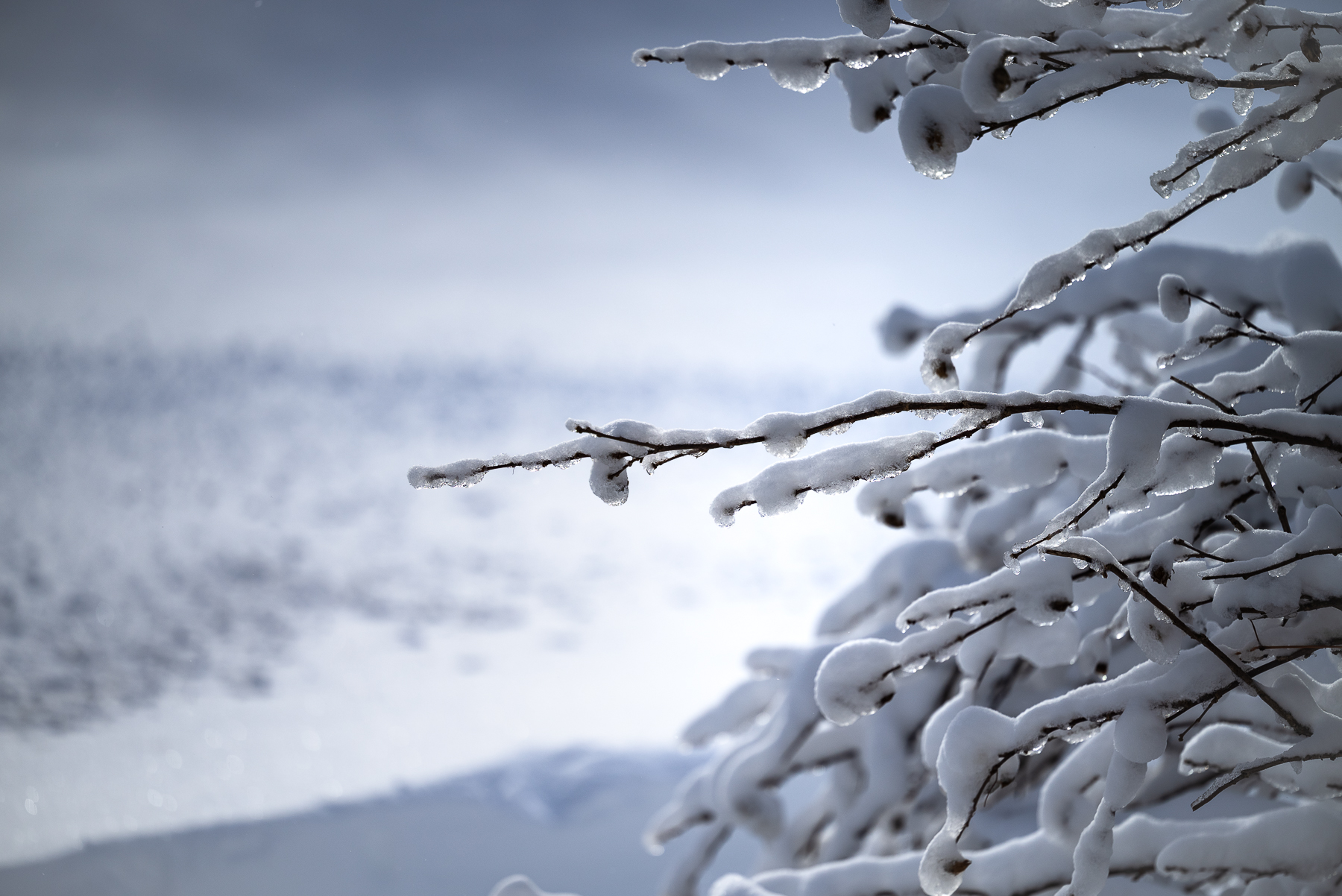
The featured image, “Snowbound,” is courtesy of Julie Jablonski, while the inline images are courtesy of Jordan Durbin.
Both are used with their kind permission for Cultivating.
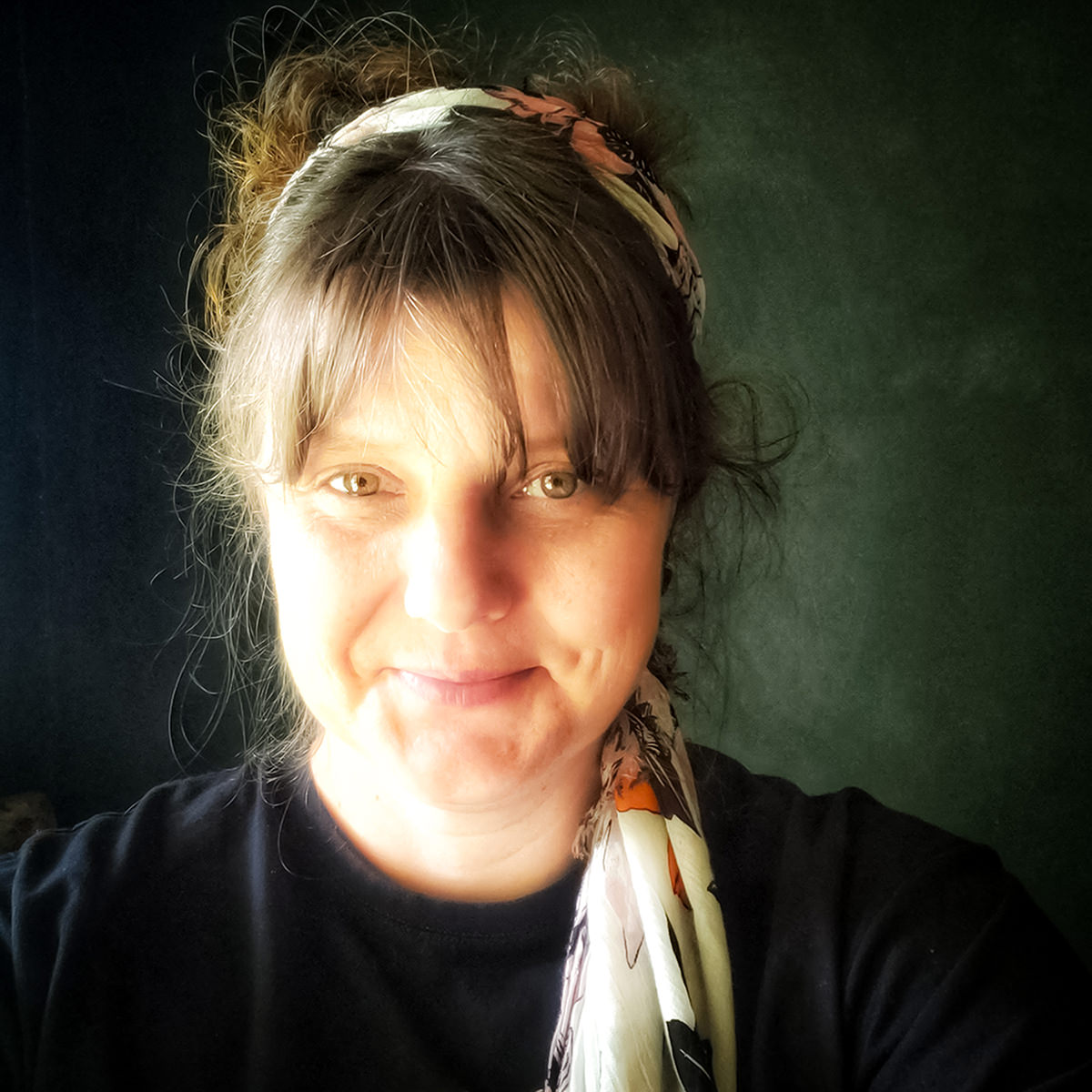
Jordan Elise Durbin is a cultivator of five wondrous children, a slightly out of control garden, and a small-but-efficient pottery studio. Her laundry piles can attest to her many activities and willingness to do anything but manage said piles. She can frequently be found running Ohio’s magical trails with her children, baking large quantities of buttery goodness, and writing about the woes and wonders of medieval chickenry. She is the author of The Chicken Pox: A Feathery Retelling of Hansel and Gretel, Periwinkle, and The Prodigal Fox. She has contributed to Cultivating since 2018. Jordan is the curator for the column “Cultivating A Maker’s Life”. She looks for the glory of God in every corner of creation and regularly finds it.

Add a comment
0 Comments