


The farmer’s wife and I stand shoulder to shoulder considering the state of her squash.
“Why, two summers ago, we couldn’t even give it all away,” she says, as we both stare down at the drooping stems.
Having gardened my entire life in the Midwest until four years ago, I’m still on a learning curve as steep as the Appalachians. I have no advice. My own gardens have been a mix of tomato sandwiches from heaven and alien-looking bugs that have turned my pumpkin leaves into lace. Since moving to western North Carolina, my husband and I have experienced a winter straight out of Narnia and the nearly apocalyptic floods in the fall of 2024.
“Makes you wonder why we do this at all,” she adds with that laugh that means I could buy zucchini at Ingles for less. “I guess it gives us purpose.”
The next day, a late June rain falls so hard in the space of thirty minutes that the runoff from the mountain behind us carves a shallow trench all the way down the gravel lane we share with the neighbors higher up the hill and the farmer and his wife at the end. Each heavy rain sets everyone on edge. Since the floods, the towering trees, the still-under-repair mountain roads, and the compromised bridges beneath our cars and tractors and feet feel fragile, like clay models built by a boy dreaming of other lands.
The downpour brings to mind the Mexican sour gherkins I planted the week before. I hadn’t had much hope that something so tender could survive my chaotic planting or my lack of Zone 7a gardening knowledge or the caterpillars let alone the kind of rain that causes even the massive trunks of hardwoods to split and descend—God knows where. Before I planted the young cucumbers on the perimeter of my spent strawberry patch, I’d peeled off my bulky gardening gloves to more gingerly guide the clingy tendrils onto the wire fencing. How could they have possibly held on?
Once the deluge ceases, I slip on my muck boots and trudge up the hill to the plot. I do this because I’m the steward; it is my purpose. The land didn’t ask this of me but requires it.
The miniature cucumber leaves have grown greener since morning, and the vines seem to have reached higher despite (because of?) the rain. I’m relieved because much of their survival is beyond my control, no matter how faithful I am to my work, to this mountain holler of forest and meadow we oversee hour after hour, March through November, until the cold provides everyone with some respite.
The cucumbers aren’t the only things I grow and care for. There are tomatoes and peppers, flowers and herbs, trees and wild critters. Like the sparrows and phoebes that insist on building nests in the crooks of our porches and in my (once vibrant) hanging basket.
When two of our grandchildren, ages five and seven, visited, I didn’t point out the nest full of fuzzy hatchlings in the flower basket hanging from the shepherd’s hook alongside the front porch steps. Too much temptation for their endless curiosity. All was well until our grandson decided to use the hose to help Mimi by watering her flowers.
The spray spooked two tiny birds, who tumbled from the nest, fluttering as far from it as they were able. The mother and father—panicked—chirped madly and flew toward our grandson.
His father tried to calmly round up the babies, but it was no use. The small family of sparrows finally ended up taking cover in the thick understory bordering the neatly mowed front yard.
Upset, my stepson reprimanded his son, convinced the little boy had purposely taken aim at the baby birds once they’d revealed their hiding place. Our grandson maintained his innocence with all the passion of a kid facing the longest time-out of his life.
Being a children’s writer, I considered our grandson’s point of view. I didn’t think that from where he had stood with the hose that he could have seen the tiny birds pop their heads up from the tangle of potted petunias.
His father still felt some time to settle down and ruminate wouldn’t hurt.
I held our grandson at one point during his time-out. I told him about being a caretaker, like he had been at the park that morning when he helped his sister reach the top of the slide.
“Are the birds still mad at me?” he asked, genuinely shaken.
“They were just trying to protect their babies. They don’t understand that we don’t mean to hurt them.”
I didn’t have to quote a Bible verse, but one came to mind—about being faithful in little things (Luke 16.10 NLT). I think that means with little things too.
Days later, I read a commentary[1] that explains how this kind of faithfulness is an example from Scripture of fidelity demonstrated through our choices and actions. The commentary went on to quote from 1 Corinthians: “Now it is required of stewards that they be found faithful” (1 Corinthians 4.2 BSB). In our fidelity to God, we are stewards of His mysteries.
The ways of mountain weather and gardens, of baby birds and little boys, certainly qualify as mysteries. Admittedly, I don’t even know what a Mexican sour gherkin tastes like. Do I serve one on a toothpick with a mini sausage and a cube of cheddar?
Will my garden even grow, or will July bring more rain than sunshine?
Did the baby birds survive?
And did our grandson learn to be gentler?
It isn’t our job to know what will happen. Our job is to be found faithful in our work, however small the action, however little the leaf or bird or boy we care for.
[1] For further reading on the biblical concept of “fidelity,” the Topical Encyclopedia on biblehub.com provides a helpful definition, reference verses, and commentary.
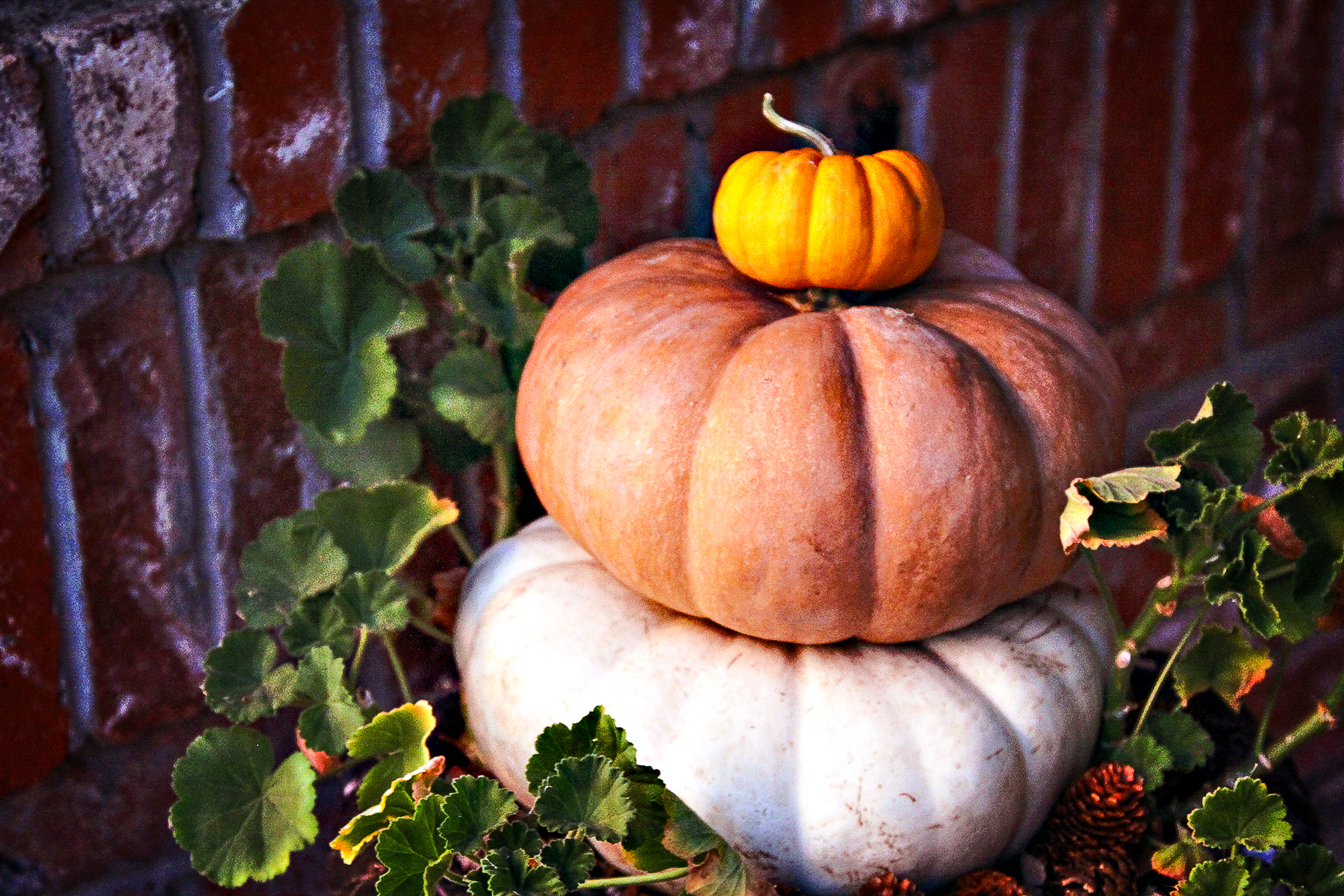
The featured image, “Pumpkin Stack,” is courtesy of Lancia E. Smith and is used with her glad permission for Cultivating.
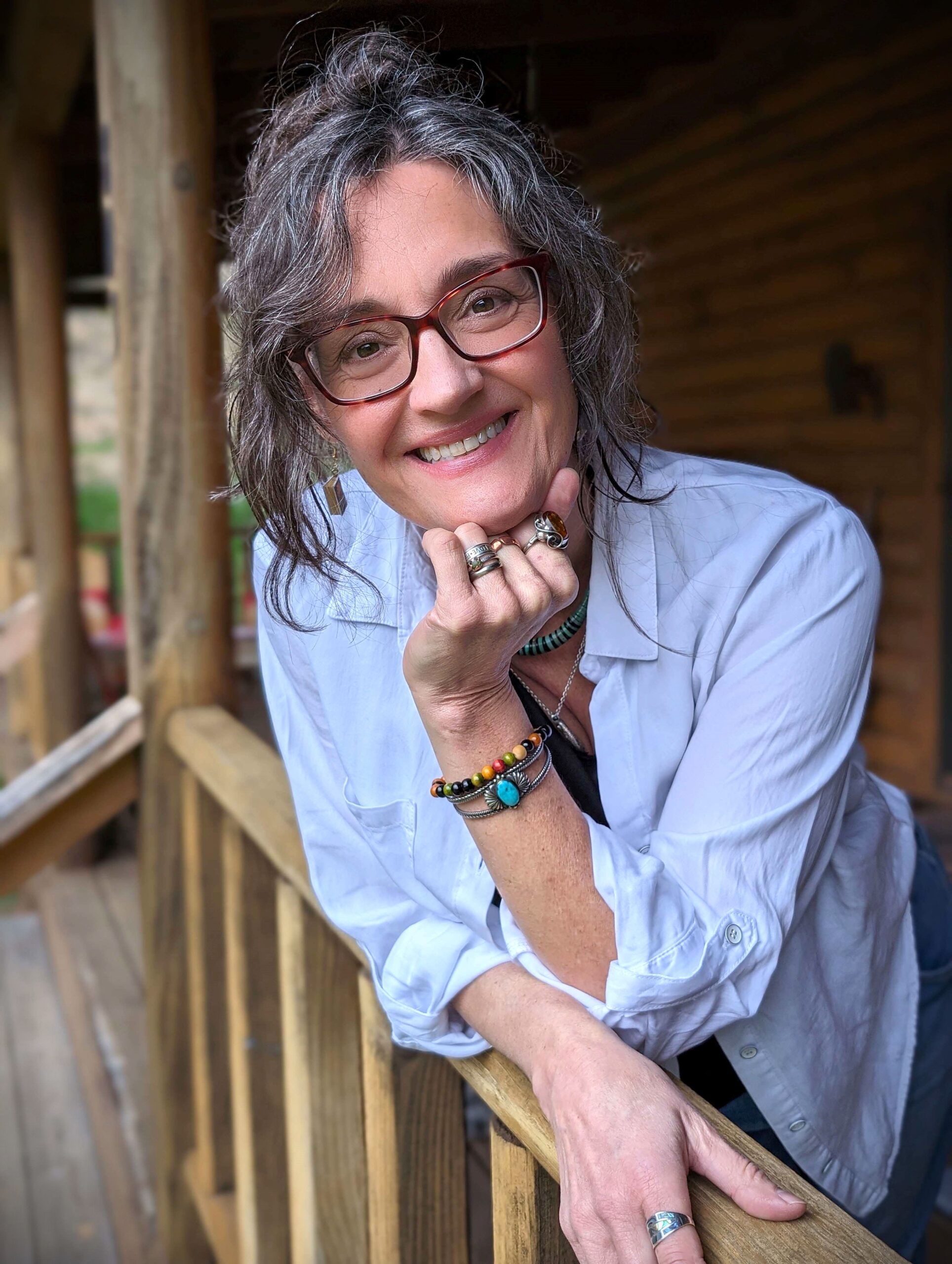
Amanda Cleary Eastep is the senior developmental editor at Moody Publishers, Chicago, and the author of the Tree Street Kids series for middle grade readers 8-12. She also enjoys writing young adult fiction for Brio magazine (Focus on the Family). Amanda writes and edits in a cabin in the mountains of western North Carolina, but she lived most of her life in the suburbs of Chicago, the home of the Tree Street Kids. The joy of exploring and stewarding nature are central to her stories and her daily life. To nurture that, she is currently taking courses in the ecosystem of Southern Appalachia and loves the opportunity to see its native plants and critters up close. Amanda and her husband, Dan, have eight grown children, lots of grandchildren, and a border collie named Annie who wakes Amanda up early to write.

I always enjoy your newsletters, Mandy.