


Cultivating Fatherhood is a space made for the dads among us who love their kids and yet know that the adventure of parenting, with all its joys and beauty, can also be a perilous one. Make no mistake, showing up for your kids is beautiful, rewarding, hard, holy, brave work. My efforts are here intended to provide encouragement and understanding that equips us for our responsibility to the amazing beings who call us “dad.”

While Jesus was still talking to the crowd, his mother and brothers stood outside, wanting to speak to him. Someone told him, “Your mother and brothers are standing outside, wanting to speak to you.”
He replied to him, “Who is my mother, and who are my brothers?” Pointing to his disciples, he said, “Here are my mother and my brothers. For whoever does the will of my Father in heaven is my brother and sister and mother.”]
Matthew 12.46-50 NIV
If I’m honest, I gotta admit that my first impulse when reading this passage is to say “Come on Jesus! Be nice to your mama!” But then I remember how massively on the record Jesus is about respecting her, so my bizarrely foolish impulse to “correct” the Son of God is stowed. And then I see that this response might instead be about my own discomfort as I watch my children grow more and more while needing me less and less. Even though they are still young, I feel like I’ve stood on those same sidelines next to Mary—hands folded, heart racing, mind swimming . . . because it’s our turn to wait now.
How weird must it have been to parent the Creator of the universe. To change the diapers of the Son of God. To teach the Word made flesh how to read. To help the Messiah through the highs and lows of puberty. And then to come to that point of transition that all parents come to, where your child no longer needs you to save them. But for Mary, she would experience something far stranger—she needed her Son to save her.
My wife, my kids, and I are among the growing number of families who are entering into households with three generations. My parents partnered with me and my wife to purchase a property together. This allows them to age in place and our kids to grow up with some land and with their grandparents right there too. It’s been a blessing to everyone, but it’s definitely a shift to go from child to familial partner. Certainly, there’s still respect and sometimes deference to my parents, but the relationship has changed. “Peer” might not be the right word, but the dynamic is definitely different.
And that’s how it’s meant to be. We are not meant to see our children as little children forever. We are entrusted to parent them during their youth and certainly be a support to them in their adulthood, when possible; but they are meant to become fellow adults, not remain dependent children.
Just as our children must mature, so our view of our role must “grow up” too.
If all those who follow Christ are brothers and sisters, then there is a sense in which I am not just raising my children—I am also raising my siblings. It will not serve anyone for my children’s only relationship with God to be through me. I have a role to disciple them, certainly, but, even as Paul says to the Corinthians to “Follow my example, as I follow the example of Christ” (1 Corinthians 11.1 NIV), he is not making himself the “gatekeeper” to Christ. Rather, Paul is modeling what walking with Jesus looks like, so that the Corinthians can learn to follow Christ themselves, too. We parents model, we inform, we shepherd, but the goal is always that our children would know and love their Heavenly Father themselves, not only through their earthly one.
And, let’s just admit it, sometimes that prospect can seem a little scary. We have our areas of comfort and discomfort when it comes to “things above.” We like to have things ironed out based on our experiences and sometimes hard-won conclusions. We’ve seen how not every teaching that claims Christ’s name is truly seeking Him—as in Paul’s time, we’ve seen how sometimes those “waving the Jesus flag” are doing so to mask evil intentions. The siren song of political power, the trauma of spiritual abuse . . . we feel most comfortable when our children stay within what is comfortable for us, because we don’t know how to protect them “out there.” And certainly, we likely have worked hard to offer our children a firmer foundation so that they aren’t starting from scratch. But in the end, regardless of what we try to give them or protect them from, their relationship with God must be theirs to embody. We cannot believe that we get to be a third wheel. We hope to continue walking with them too, but, like Mary, we will also have to learn that we will need to be the ones who have to wait while our children do the work their Heavenly Father calls them to do.
The good news is that, as humbling as that may be, God is a far better father than we could ever be. He loves our children far more than we ever could and is far more trustworthy. This is not to minimize the incredibly vital role we parents play. Not at all. Faithful, loving parents are a tremendous gift—however, if we impose our role onto the role that only God can fill, we will find ourselves deeply and profoundly wanting. We cannot be their Heavenly Father. But what an amazing gift it is to be their earthly one.
Our roles will change because they are meant to. It’s a gift to become what we all were made to be. We serve our children best by blessing their journey, not domineering over it. And, as long as we can, we walk with our children, hand in hand, toward our Heavenly Father—siblings in Christ.

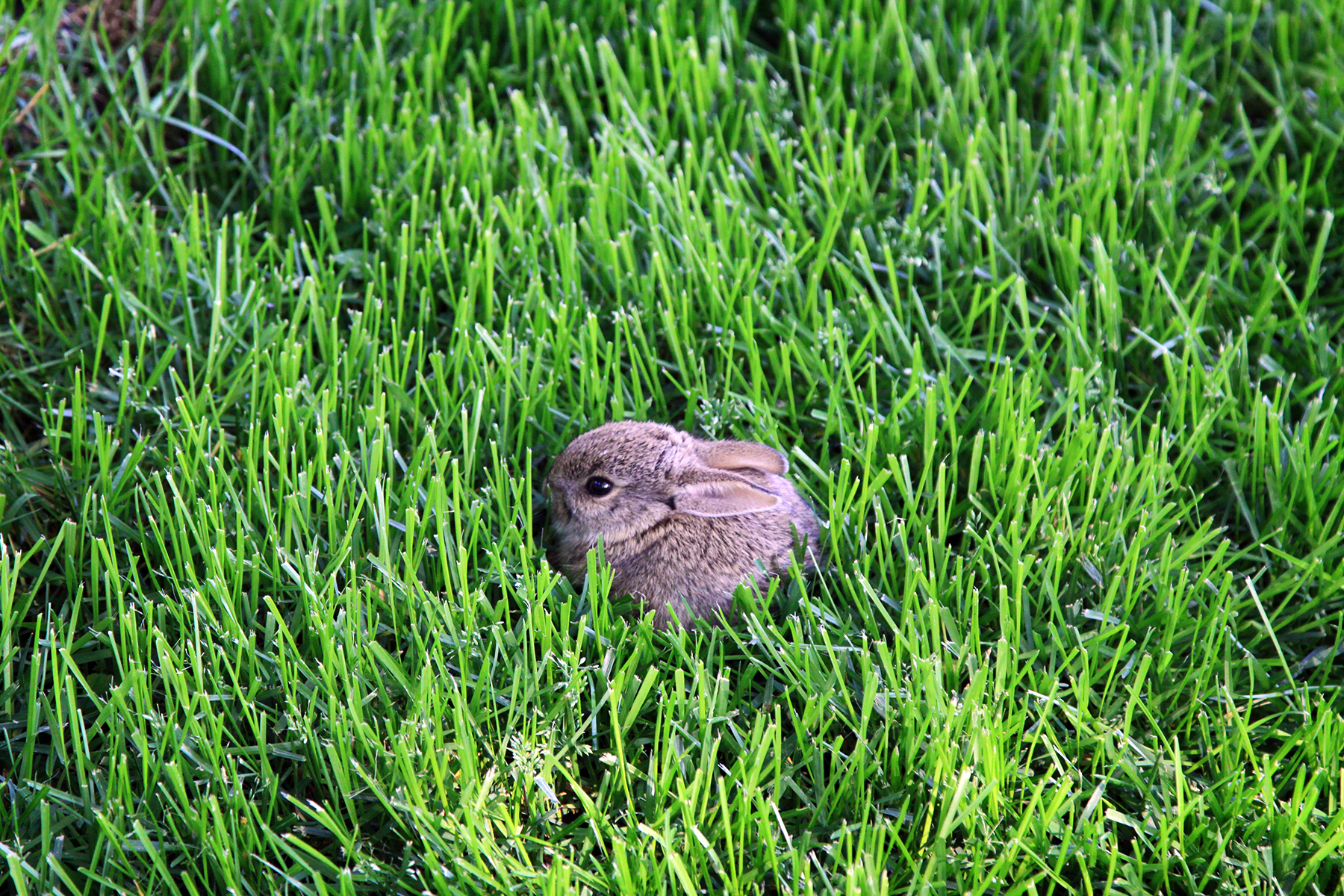
The featured image, “May Bunny,” is courtesy of Lancia E. Smith and is used with her glad permission for Cultivating.
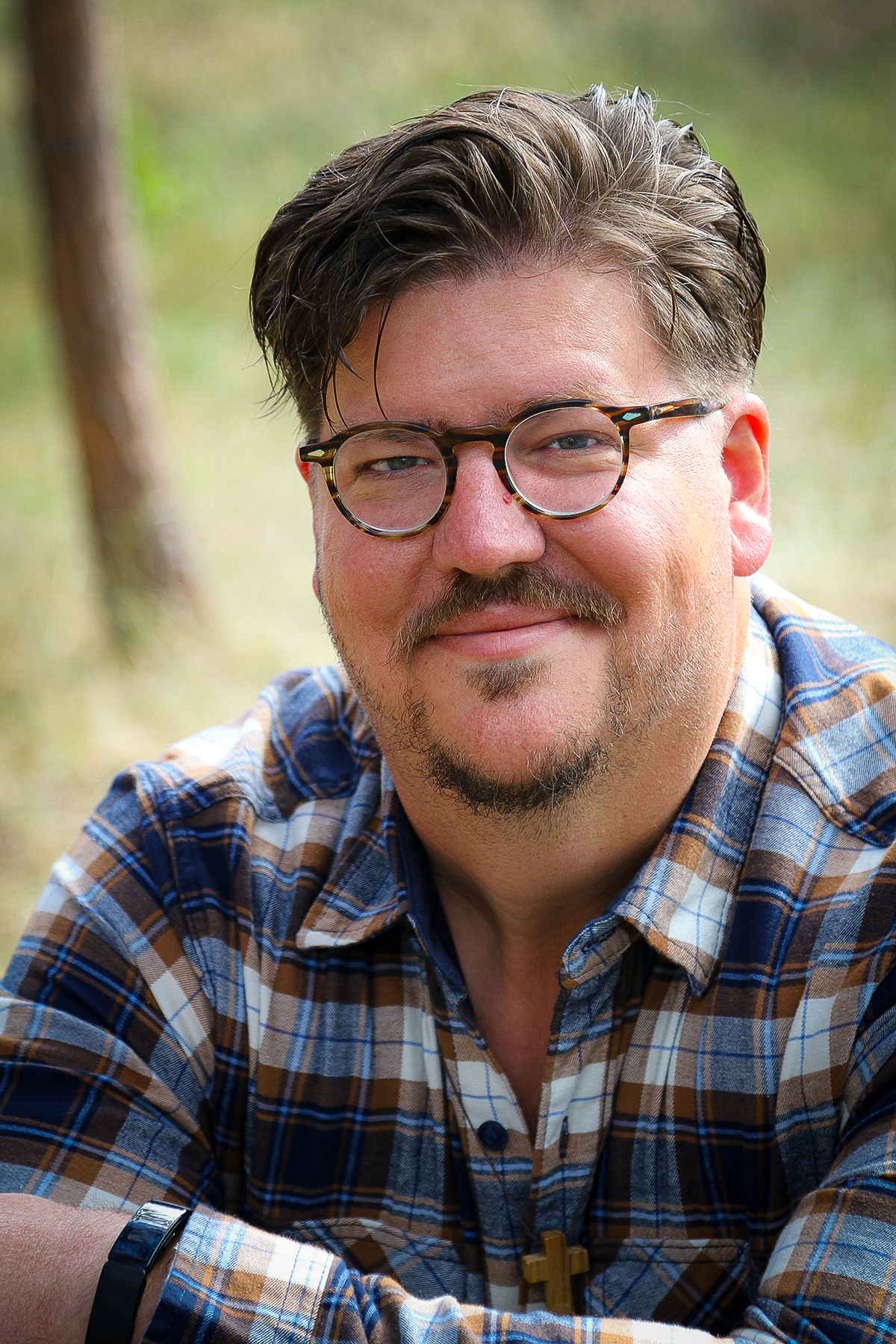
Adam Nettesheim is Director of Fellowship for The Cultivating Project, and a columnist for Cultivating magazine. Through writing and illustrating, Adam seeks to pull on the golden thread that leads us Homeward. Adam is a ‘Multi-Media Specialist’ by day at a municipality in Colorado but his most important (and favorite) work is husband to his wife Sarah and father to his 3 children.

Add a comment
0 Comments