




I have two memories of snow that stick in my mind like individual snowflakes to window glass, their intricacies blatantly announcing both God’s mathematical genius and His ability to condense the universe into a tiny, faceted jewel. (Or the Savior into a newborn.)
In the first, I am nine years old, caroling with my parents and their friends and children. The sky is the usual pitch black you find above small towns surrounded by hundreds of acres of cornfield, and our group is marching down the middle of the street like it is the first Christmas after an apocalypse, and this is our street. There is no need to look both ways as the snow begins to fall.
The flakes are pieces of exploded ancient star making their way to earth, a heavenly host placed gently upon our stuck-out tongues.
When I look up, the flakes are backlit by the solitary streetlight so that they seem to be falling from right above us and not from the dark palm of God.
The sight isn’t magical, as in the semblance of magic. It is magic. Pure and inexplicable.
I could have stood in the middle of that quiet neighborhood street with my head tilted back all night long, while the Christmas lights strung below the gutters blinked at me and sparkling gifts were bestowed upon my puffy green coat, the fur-trimmed hood, my black lashes.

During my first year of college, I hated January. With a permanent marker, I crossed off each day on a large calendar page taped to my dorm-room door. But when my children were very young, January was a refuge. The upheaval and uncertainty of the holiday had passed with its carols and cookies with sprinkles and gifts exchanged among familial turmoil.
The longest, coldest month now offered solitary days with my children and me hunkered down in our nest of laundry and crayons and occasional naps, secure in the arms of the mundane.
The world quieted in January, hushed by a long cold finger pressed to blue lips: Shhhhhhhhh, use your winter voices, don’t wake the squirrels, don’t break the ice. Make snow angels and pot roast.
In this second memory, I pull the kids on the sled to the local park one night and slide down the small hills with them until we are caked in cold and can’t feel our toes. Later, I tuck them into bed, and while my first husband works his second job, I work my tenth of the day. I sit at the desk that was my little brother’s when we were growing up. I have painted it white to cover the rustic ’70s finish and have set it in the corner of the spare room by the window. There I make up stories as the snow seems to pour directly from the beam of the corner streetlight.
It’s magic.
When I lived in the Midwest, I (like most) anticipated winter as if navigating the moods of an abusive spouse. Would winter fall upon me like a velvety blanket or with icy fangs?
Some Midwesterners love the cold and snow. Many dread it but stay anyway, year after year bemoaning the ache it brings to a left hip, like the weight of a child who insists on being carried as we go about our daily tasks. We’d complain about shoveling. We’d dread the shorter days with their darkness when, in truth, that’s where our sinful natures are most at home.
One wintry day, my husband, my grown elder daughter, and I walked into the woods. My husband had planned it when he heard the forecast for three–five inches of snow, the first of the season. He said it had been years since he jogged on a snowy day, and although it had only been last winter since I had taken a walk on a snowy night, I couldn’t recall the last time I had hiked through trees covered in bits of falling winter sky.
As my husband set off on his path, my daughter and I headed in the opposite direction. The ground creaked and crunched beneath our boots, and for a while, we followed what we thought were the fresh tracks of a raccoon. But wild animals don’t stay long on a human’s path. It’s just not safe; there is no cover from limbs or grasses bowed over and shingled with ice.
The trees were black lines scratched through titanium white by an artist’s palette knife, and we had to keep stopping to brush accumulating snow from the tops of our hoods. We hiked in black and white until our gloves were soaked and the fronts of our thighs felt exposed. We touched our tongues to small piles of snow settled atop the heads of dried burs.
With the metallic cold fresh in our mouths, we talked about our memories of snow.
The next morning, I made my way in the dark to the kitchen, bare feet across cold floors. A puff of natural gas, and the blue flame beneath the tea kettle matched the albedo of the snow-covered world outside the window.
I nearly said aloud,
This year, I will welcome winter as a sabbath.
I resolved to be grateful for the short days because far fewer lay ahead than when my children were all snowsuits and red cheeks.
To not be so arrogant and wasteful, crossing off days with black Xs like they aren’t precious—no matter how full of snow and empty of warmth.
To rest in the silence of the season, patient as the leafless tree and full of trust and potential.
Now, some ten winters later, my husband and I live in the mountains of western North Carolina where it’s easier to welcome the short days. Here, winter offers long evenings filled with reading in front of the fireplace and—if the snow even falls—turns our Appalachian holler into Narnia.
Even so, I’ll never forget that first wintry sabbath, and each year I vow to “love winter when the plant says nothing.”[1]

[1] “Love Winter When the Plant Says Nothing” is the title of a poem written by Thomas Merton in 1963. This poem and others by Merton can be found in In the Dark Before Dawn: New Selected Poems, published by New Directions Publishing.
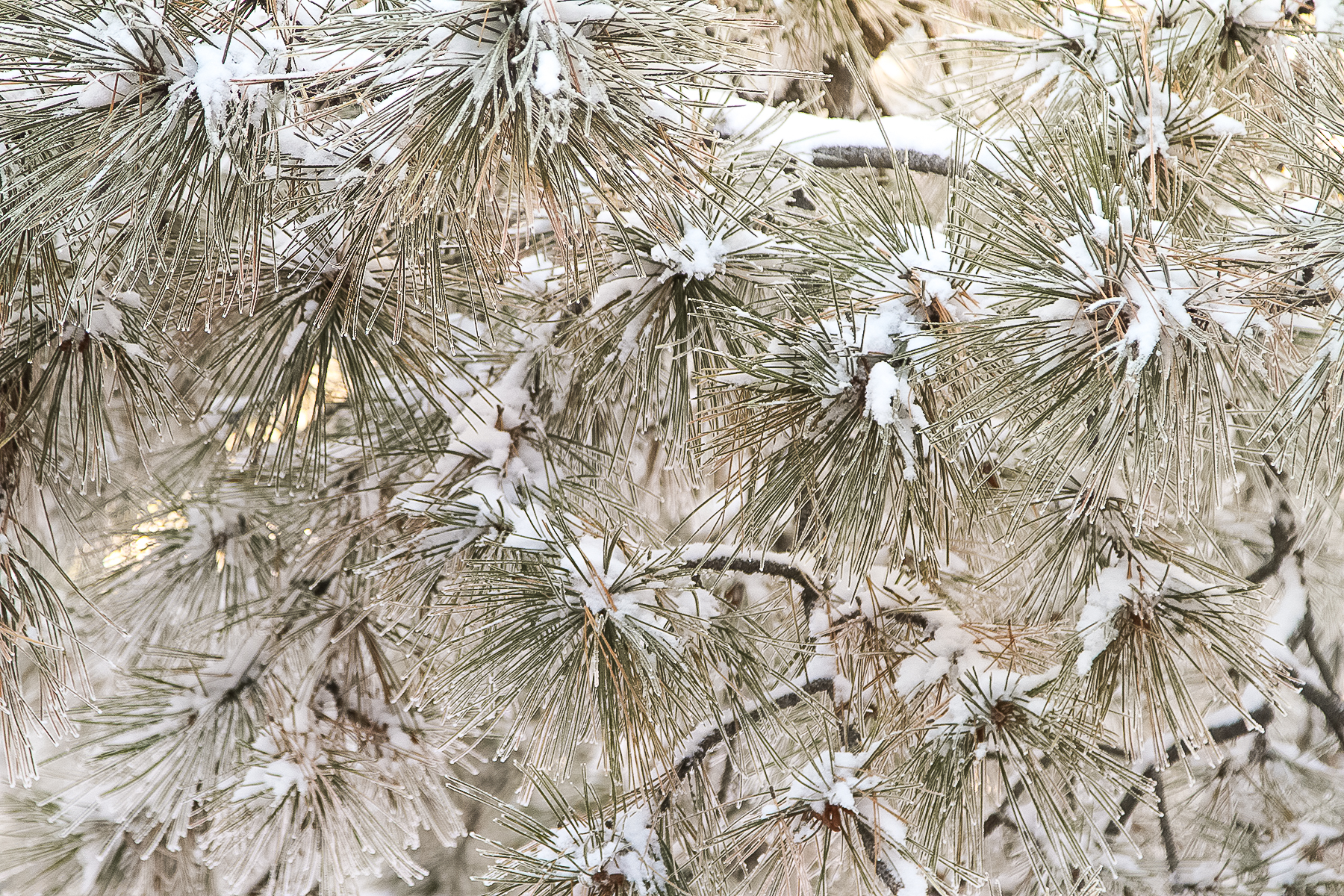
The featured image, “Snow in Pines,” is courtesy of Lancia E. Smith and used with her glad permission for Cultivating.
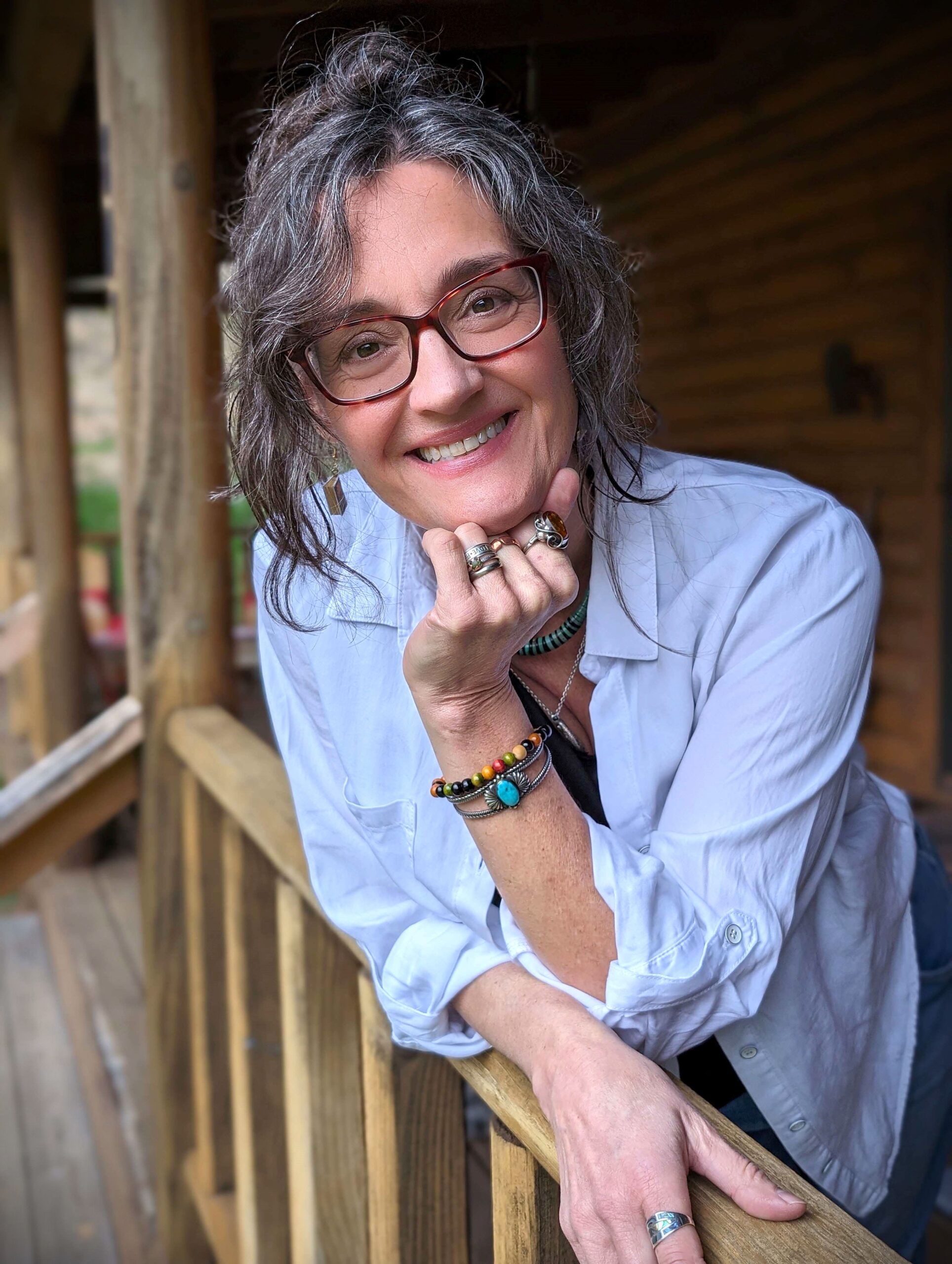
Amanda Cleary Eastep is the senior developmental editor at Moody Publishers, Chicago, and the author of the Tree Street Kids series for middle grade readers 8-12. She also enjoys writing young adult fiction for Brio magazine (Focus on the Family). Amanda writes and edits in a cabin in the mountains of western North Carolina, but she lived most of her life in the suburbs of Chicago, the home of the Tree Street Kids. The joy of exploring and stewarding nature are central to her stories and her daily life. To nurture that, she is currently taking courses in the ecosystem of Southern Appalachia and loves the opportunity to see its native plants and critters up close. Amanda and her husband, Dan, have eight grown children, lots of grandchildren, and a border collie named Annie who wakes Amanda up early to write.

“Secure in the arms of the mundane.” I love that. I think it describes my current stage of life with 3 young kids very well. I’m going to think of that phrase often.